

blog
How to Lock in the Solar ITC for Your Solar EV Charging Project Before It’s Too Late
The federal solar Investment Tax Credit (ITC) has been a game-changer for businesses installing clean energy solutions like solar-powered EV charging — offering a dollar-for-dollar reduction in your federal tax bill worth 30% of total project costs, or even up to 40% if you qualify for the domestic content bonus. The good news is that you can still take advantage of these significant savings — if you act before upcoming deadlines.
Whether you’re planning a solar EV charging canopy, a solar-plus-battery system, or an off-grid microgrid, there are clear steps you can take right now to secure the credit before it phases out for certain projects.
The Key Dates You Need to Know
If your project begins construction before July 4, 2026, you can qualify for the full ITC — and potentially keep eligibility for years, as long as you meet the IRS’s continuity requirement.
There are two main ways to “begin construction” under IRS Notice 2018-59:
- Physical Work Test – starting physical work of a significant nature.
- Safe Harbor Test – incurring at least 5% of the total project costs before the deadline.
Once you start, you have up to four years to place the system in service, provided you maintain continuous construction or progress.
If you miss the July 4, 2026 start date, your project must be fully placed in service (operational) by December 31, 2027, to qualify.
Special Rules for Battery Storage
Battery projects are eligible for the ITC if they start before December 31, 2033. Starting in 2026, battery systems must also meet foreign content sourcing rules, meaning a set percentage of components must come from outside “Prohibited Foreign Entities” like China. For 2026, that minimum requirement is 55% U.S. or allied sourcing for batteries, with the requirement increasing in later years.
Bonus Incentives You Can Still Claim
If your project uses enough U.S.-made components (45% this year, 50% in 2026, 55% in 2027), you may qualify for an extra 10% credit, bringing your total ITC to 40%. Purchasing a system from Paired Power helps you meet this requirement.
Projects smaller than 1 MW-AC don’t have to meet federal prevailing wage and apprenticeship requirements, which can simplify the process.
Why Acting Now Matters
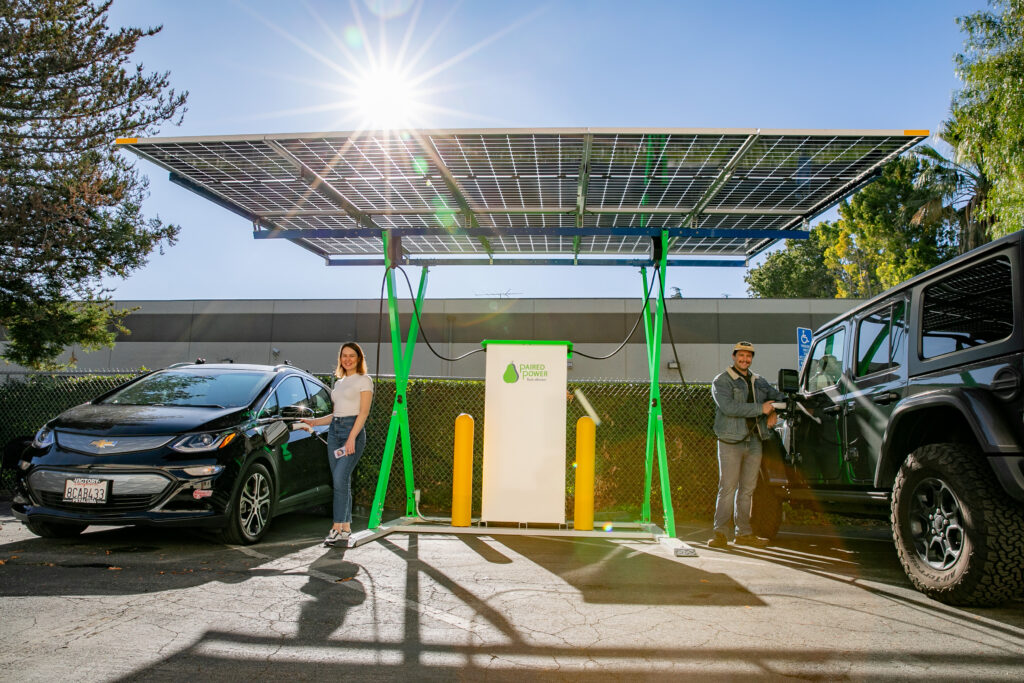
Paired Power’s solar EV charging solutions are designed with domestic sourcing and modular installation in mind, which means many projects can meet both ITC eligibility rules and the domestic content bonus.
To lock in your credit:
- Decide quickly — the earlier you start, the more flexibility you have.
- Secure at least 5% of project costs before July 4, 2026, if you plan to use the safe harbor provision.
- Keep continuous progress — delays without documented activity could put your credit at risk.
Request a Quote Online
You still have time to claim the solar ITC for your solar EV charging project, but the clock is ticking. Start now, and you could benefit from a 30% federal tax credit (plus up to 10% domestic content bonus — and another potential 10% adder for disadvantaged communities or Indian lands) multi-year project timelines for larger installs, and additional savings from avoiding future sourcing restrictions.
Paired Power can help you design, source, and build your project to maximize these incentives while they’re still available.
Contact Paired Power today to request a quote and get your project started before the deadlines.
Disclaimer: The information in this article is provided for general educational purposes only and is based in part on guidance from the California Solar & Storage Association (CALSSA). It is not legal, accounting, or tax advice. Always consult with a qualified tax professional to determine how these rules apply to your specific situation.