

blog
The Future of EV Charging Isn’t Fast
Why smarter—not faster—charging is the key to EV scalability
By Tom McCalmont, CEO, Paired Power
The Popular Narrative Has It All Wrong
I recently read a headline declaring, “The future of EV charging is fast charging.” It makes for a nice sound bite—and probably great click bait—but it misses the mark.
As someone who has driven an EV for 10+ years, leads a clean energy EV infrastructure company, and works with fleets, developers, and utilities routinely, I have to wonder if this writer even drives an EV.
Perhaps not. Because if they did, they’d agree that fast charging isn’t the future—it’s the exception.
Most EVs Don’t Need to Charge Fast—They Just Need to Charge Smart
Here’s something few people outside the industry understand: most cars spend 95% of their time parked. That means EVs have ample time to charge—so long as we provide charging where people live, work, and go about their daily routines.
Level 1 chargers (120V, your basic household outlet) and Level 2 chargers (240V, like what you’d use for a clothes dryer) are more than sufficient for daily driving needs. Charge overnight at home, top off at the office, or plug in while grabbing groceries—and you’ll rarely, if ever, need a high-powered Level 3 charger.
Fast chargers are great for road trips. But let’s be honest: how often are you driving across the country?
The Grid Can’t Keep Up with Fast Charging
Here’s the other side of the story: the grid can’t support widespread Level 3 charging. Not yet—and not anytime soon.
Delivering enough electricity to charge your EV in five minutes would take megawatts—the same amount of power used by a small town. Upgrading infrastructure to support that kind of draw isn’t just expensive—it’s slow. Wait times for grid upgrades can run 2 to 5 years, depending on the region.
In the meantime, property owners are left with stalled projects, missed opportunities, and ballooning budgets.
Demand Charges: The Hidden Cost That Kills Fast Charging ROI
Even if you manage to install a Level 3 charging station, you’ll face another major hurdle: demand charges. These are fees utilities tack on when your energy use spikes—like when a single EV plugs into a fast charger or when multiple EVs plug into a cluster of chargers.
These charges can add tens of thousands of dollars to a monthly utility bill, making the economics of fast charging tough to justify.
Level 3 chargers also cost significantly more to install than Level 2 chargers—often by a factor of ten or more. Whether you’re looking at one-time capital expenditures or ongoing operating costs, Level 3 charging is exponentially more expensive.
Companies like Tesla can absorb those costs because they use fast charging as a loss leader to sell cars. But for most businesses, the math just doesn’t work.
Smarter Charging, Not Faster Charging, Is the Real Future
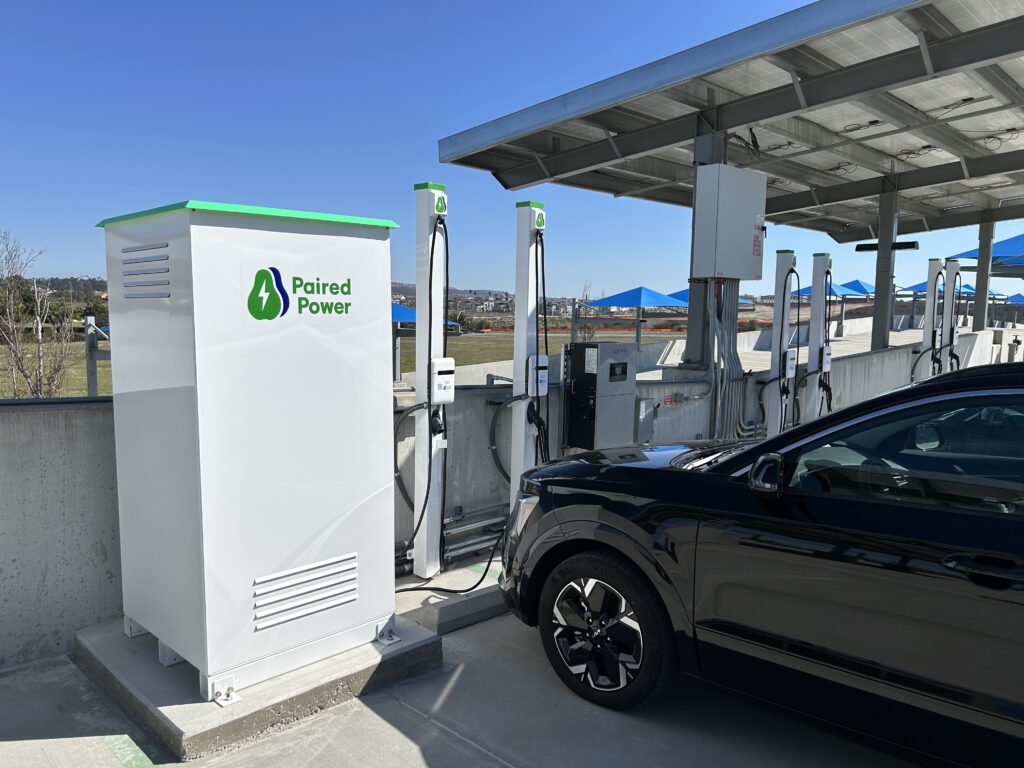
That’s why, at Paired Power, we’ve focused our energy (pun intended!) on managed Level 2 charging. We pair EV chargers with solar power, battery storage, and smart energy management software to optimize the charging experience, reduce or eliminate demand charges, and minimize air pollution and OpEx.
By creating microgrids, we give customers the power to:
- Operate charging stations independently from the grid
- Avoid demand charges by managing power draw intelligently
- Charge 6-10 times more EVs with the same grid capacity
- Install systems faster—without waiting years for utility approvals
It’s not just a workaround. It’s a smarter way forward.
Rethinking EV Charging Infrastructure
We live in a fast-paced world where consumers want everything now. But building a resilient, scalable EV charging network isn’t about instant gratification. It’s about intelligent design, reliable uptime, and long-term economics.
Level 3 charging will always have a role—for emergencies, highway corridors, and road trips. But for the vast majority of use cases—workplaces, fleets, campuses, and commercial properties—Level 2 charging is the future.
And the future is already here.
Let’s Build Smarter, Together
If you’re planning a commercial EV charging deployment and want to avoid grid delays, cut costs, and scale sustainably, let’s talk.
At Paired Power, we’re helping customers across the country take control of their energy future—without waiting on the grid to catch up.